
Autoimmune thyroiditis is one of those conditions that can look simple on paper but feel frustratingly complicated in real life. A person may start with subtle fatigue, dry skin, constipation, or brain fog and assume it is stress, aging, poor sleep, or a busy season of life. Months later, they may learn that the immune system has been slowly attacking the thyroid gland, changing how the body uses energy, regulates temperature, supports mood, and keeps many everyday functions running smoothly.
In most day-to-day health discussions, autoimmune thyroiditis usually refers to Hashimoto’s thyroiditis, also called chronic lymphocytic thyroiditis. It is a common autoimmune cause of an underactive thyroid, especially in places where iodine deficiency is not the main driver of thyroid disease. Some people have clear symptoms. Others have positive antibodies and a swollen thyroid for years before hormone levels change enough to show up as obvious hypothyroidism.
This guide explains what autoimmune thyroiditis is, the major forms it can take, what may contribute to it, how symptoms can show up in real life, how doctors usually evaluate it, and what practical management looks like over time. It is for education, not self-diagnosis or self-treatment. Any new neck swelling, major fatigue that interferes with daily life, pregnancy with known thyroid disease, chest symptoms, fainting, confusion, or symptoms that feel severe or rapidly worsening should be reviewed by a qualified healthcare professional.
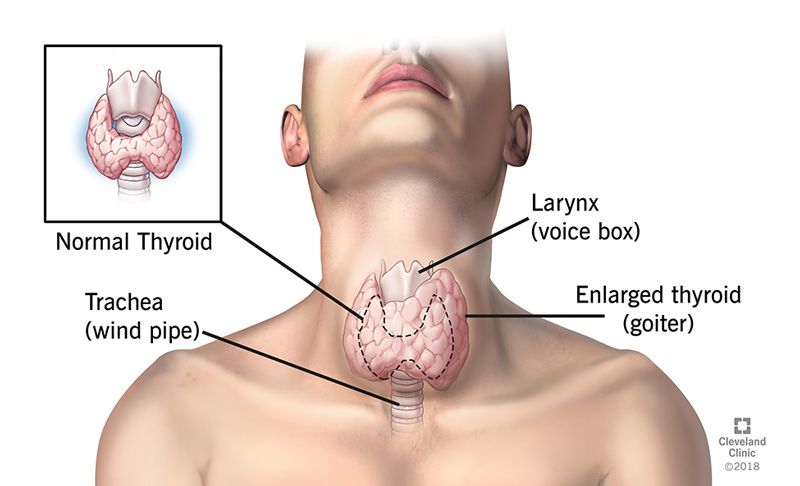
Table Of Contents
- Understanding Autoimmune Thyroiditis
- Types Of Autoimmune Thyroiditis
- Causes Of Autoimmune Thyroiditis
- Symptoms Of Autoimmune Thyroiditis
- Risk Factors
- Diagnosis Process
- Living With Autoimmune Thyroiditis
- Prevention Strategies
- Practical Examples
- Conclusion
- Frequently Asked Questions
- Final Editorial Disclaimer
- References
Understanding Autoimmune Thyroiditis
The thyroid is a small, butterfly-shaped gland at the front of the neck. Even though it is small, it has a broad job. Thyroid hormones help regulate how the body uses energy, which means they influence heart rate, temperature tolerance, digestion, skin and hair health, menstrual function, mood, and mental clarity. When thyroid hormone levels drift too low or too high, the effects can ripple through daily life in ways that are easy to underestimate.
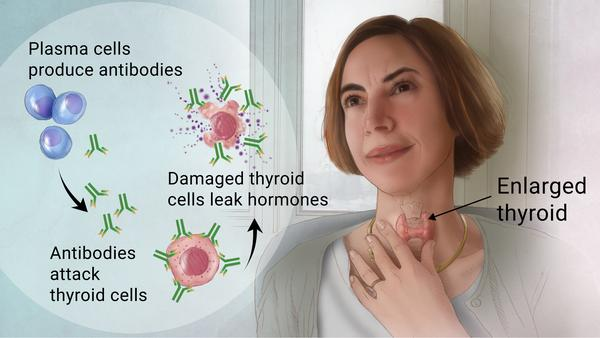
Autoimmune thyroiditis happens when the immune system mistakenly targets thyroid tissue. Instead of protecting the body from infections, the immune system creates antibodies and inflammatory activity that damage thyroid cells. Over time, this damage can reduce the gland’s ability to make enough thyroid hormone. In practical terms, that often means the condition starts quietly and progresses slowly. A person may feel “off” long before the cause becomes obvious.
The most familiar form is Hashimoto’s thyroiditis. In Hashimoto’s, the gland may become inflamed and enlarged early on, sometimes causing a feeling of fullness in the lower neck. As the condition continues, thyroid hormone production often declines. Not everyone moves through the condition at the same pace. Some stay in a normal-thyroid phase for a long time. Some develop mild laboratory changes before they feel anything. A smaller group may have a brief period of excess thyroid hormone release from the inflamed gland before low thyroid levels become the main problem.
This is part of what makes autoimmune thyroiditis confusing for patients. The problem is not simply “the thyroid is bad.” It is an immune process affecting a hormone-producing gland. That means two things can be true at once: the autoimmune activity may be present, and the thyroid hormone levels may still be normal for a time. This is why some people are monitored rather than medicated immediately, while others clearly need treatment right away.
Types Of Autoimmune Thyroiditis
Hashimoto’s Thyroiditis
Hashimoto’s thyroiditis is the classic form of autoimmune thyroiditis. It is chronic, usually painless, and commonly linked with antibodies such as thyroid peroxidase antibodies and sometimes thyroglobulin antibodies. Over time, the inflammation can damage the gland enough to cause permanent hypothyroidism. This is the form most people mean when they say “autoimmune thyroiditis.”
Postpartum Thyroiditis
Postpartum thyroiditis can happen after pregnancy. It often appears in the months after delivery and may move through phases. Some women first notice symptoms of excess thyroid hormone, such as feeling shaky, anxious, hot, or having palpitations. Later, they may shift into a low-thyroid phase with fatigue, constipation, low mood, dry skin, or weight changes. In many cases it improves over time, but some women are left with lasting hypothyroidism and need ongoing follow-up.
Silent Thyroiditis
Silent thyroiditis is another painless form that is thought to be autoimmune. Like postpartum thyroiditis, it can cause a short phase of excess hormone release followed by a low-thyroid phase. The name “silent” reflects the fact that it usually does not cause the neck pain seen with subacute thyroiditis. Some people recover fully, while others later develop permanent hypothyroidism.
Why The “Type” Matters
For everyday care, the type matters because it changes what you should expect. Hashimoto’s often behaves like a long-term condition that may require lifelong hormone replacement. Postpartum and silent thyroiditis may improve, but they still deserve monitoring because thyroid levels can swing from high to low before settling. A person who understands the pattern is less likely to panic during one phase or ignore symptoms during the next.
Causes Of Autoimmune Thyroiditis
There is no single cause in the everyday sense of one action leading directly to the disease. Autoimmune thyroiditis develops through a mix of immune dysfunction, genetic susceptibility, and environmental or hormonal triggers. In plain language, some people appear biologically more prone to developing it, and certain life events or exposures may help bring it to the surface.
Immune System Misfiring
The core problem is immune misidentification. The body creates antibodies against thyroid proteins and gradually injures thyroid tissue. This is not an infection, and it is not contagious. You cannot “catch” autoimmune thyroiditis from someone else. The immune system is essentially mistaking part of the thyroid for something it should attack.
Genetics And Family Tendency
Family history matters. People are at higher risk if close relatives have thyroid disease or other autoimmune conditions. That does not mean the condition is guaranteed, but it does mean the family pattern can be clinically useful. Someone with fatigue, menstrual changes, constipation, and a family history of thyroid disease deserves a lower threshold for evaluation than someone with no such background.
Hormonal And Life-Stage Factors
Women are affected more often than men, and pregnancy-related immune shifts can reveal or aggravate thyroid problems. The postpartum period is a well-known time when autoimmune thyroid issues may appear. This is one reason tiredness after childbirth should not always be written off as “just new-mom exhaustion,” especially if symptoms feel disproportionate, persistent, or accompanied by marked anxiety, palpitations, neck fullness, constipation, or unusual cold sensitivity.
Other Autoimmune Diseases
Autoimmune conditions often cluster. A person with type 1 diabetes, rheumatoid arthritis, lupus, celiac disease, Sjögren’s syndrome, or other autoimmune disorders may be more likely to develop autoimmune thyroid disease as well. This does not prove one causes the other. It suggests an immune system that is already more prone to autoimmune behavior.
Iodine And Other Triggers
The thyroid needs iodine to make hormones, but more is not always better. In autoimmune thyroid disease, excess iodine from supplements or heavy seaweed and kelp intake may worsen thyroid dysfunction in susceptible people. This is a common place where well-intentioned self-treatment goes wrong. Someone hears that iodine supports the thyroid and assumes high-dose iodine must help. In autoimmune thyroiditis, that can backfire.
Symptoms Of Autoimmune Thyroiditis
Symptoms can be subtle, broad, and easy to blame on modern life. That is part of why autoimmune thyroiditis is often missed early. A person may simply say, “I feel slower than usual,” or “I’m doing everything the same, but I don’t feel like myself.”
Early Or Mild Symptoms
In early disease, some people have no symptoms at all. Others notice only a few vague changes, such as:
- Feeling more tired than expected
- Mild constipation
- Feeling colder than people around them
- Dry skin
- Hair shedding or thinning
- Mild weight gain or difficulty losing weight
- Feeling mentally foggy or slower to concentrate
- Neck fullness from a goiter
These symptoms matter because they affect real routines. A person may need extra coffee to function, start skipping exercise because they feel drained, or struggle with work tasks that previously felt easy. The changes may not look dramatic from the outside, but they can be very disruptive inside ordinary life.
Hypothyroid-Phase Symptoms
As thyroid hormone levels drop further, symptoms often become clearer. Common examples include:
- Ongoing fatigue
- Cold intolerance
- Constipation
- Dry skin
- Depression or low mood
- Muscle aches or joint discomfort
- Slower heart rate
- Puffiness
- Heavier or irregular menstrual periods
- Fertility problems in some people
- Reduced exercise tolerance
In daily life, this can look like needing a sweater when no one else is cold, falling asleep on the couch every evening, struggling with workouts that used to feel manageable, or feeling unusually discouraged and flat. Some people also notice that their bowel habits change, their skin becomes rougher, and their hair seems thinner or drier than usual.
Temporary Hyperthyroid-Phase Symptoms
Some forms of thyroiditis can briefly release stored thyroid hormone into the bloodstream before the gland slows down. During that period, a person may feel the opposite of hypothyroid: shaky, hot, sweaty, anxious, irritable, restless, or aware of a racing heart. Weight may drop unexpectedly. This can happen in postpartum or silent thyroiditis, and it can occasionally occur in Hashimoto’s as part of a temporary inflammatory phase.
When Symptoms Need Faster Medical Attention
Autoimmune thyroiditis is usually not a dramatic emergency, but some symptoms should not be ignored. Prompt medical review is important if you develop a rapidly enlarging neck, trouble swallowing, trouble breathing, severe palpitations, chest pain, fainting, marked weakness, confusion, or significant symptoms during pregnancy or after delivery. These symptoms can have several causes, not just thyroid disease, and deserve timely evaluation.
Risk Factors
Risk factors do not mean certainty. They simply raise the odds.
The main risk factors include being female, having a family history of thyroid or autoimmune disease, living with another autoimmune condition, and being in certain life stages such as middle age or the postpartum period. Thyroid disease can still occur outside these groups, so they are helpful clues, not strict rules.
Other factors that can complicate the picture include previous thyroid problems, prior thyroid treatment, or exposures that affect thyroid function. In someone who already has autoimmune thyroid disease, too much iodine from supplements can also worsen thyroid imbalance. This is why supplement decisions should be thoughtful rather than trend-driven.
A useful practical rule is this: the more of these boxes you check, the more sensible it is to take persistent symptoms seriously. For example, a woman with a strong family history of thyroid disease, type 1 diabetes, and new fatigue after pregnancy should not assume everything is just stress and lack of sleep.
Diagnosis Process
Diagnosis usually starts with a conversation, not a scan. A clinician will ask about symptoms, how long they have been present, family history, pregnancy history, medication and supplement use, bowel changes, menstrual changes, mood, and whether there is neck fullness or discomfort. A physical exam may include checking the neck for goiter.
Blood Tests
The most important starting test is often TSH. This is the pituitary signal that tells the thyroid how hard to work. If thyroid hormone levels are low, TSH often rises as the body tries to push the thyroid harder. Free T4 helps show how much hormone is actually available. Antibody tests, especially thyroid peroxidase antibodies, help identify autoimmune thyroid disease. Some evaluations also include thyroglobulin antibodies, and T3 may be checked in selected situations.
What Results May Mean
A person can have positive thyroid antibodies and still have normal thyroid hormone levels. That may indicate autoimmune thyroiditis without current clinical hypothyroidism. In that situation, treatment is not always started immediately, but monitoring is important because thyroid function may decline over time. If TSH is elevated and free T4 is low, hypothyroidism is clearer and treatment is more likely to be recommended. Mild or subclinical hypothyroidism may lead to monitoring or treatment depending on the full picture, including symptoms and pregnancy status.
Ultrasound And Other Tests
A thyroid ultrasound is not needed for everyone, but it may be used when the gland is enlarged, uneven, or nodules are suspected. Ultrasound helps assess structure, size, and nodules rather than diagnosing the autoimmune process by itself. Repeating antibody levels over and over is not usually necessary for routine follow-up. Monitoring TSH, and sometimes free T4, is usually more clinically useful.
Living With Autoimmune Thyroiditis
Living with autoimmune thyroiditis is usually less about dramatic interventions and more about consistency. Many people do very well when the condition is recognized, followed properly, and treated when needed. The hard part is often not the diagnosis itself. It is learning to separate good management from internet noise.
Treatment Basics
If thyroid hormone levels are low enough to cause hypothyroidism, levothyroxine is the standard treatment. It replaces the hormone the thyroid can no longer make in adequate amounts. The goal is not to “stimulate” the thyroid or “fix” the immune system directly. It is to restore appropriate thyroid hormone levels so the body can function more normally.
If antibodies are high but thyroid function is still normal, treatment may not be needed right away. In that situation, follow-up testing is often the practical next step. That distinction matters because people are sometimes alarmed by positive antibodies and assume they need immediate medication even when hormone levels are still normal.
Taking Medication Correctly
How you take thyroid hormone can affect how well it works. Levothyroxine is commonly taken on an empty stomach, ideally 30 to 60 minutes before breakfast, or at bedtime several hours after the last meal if that routine is more consistent. Calcium, iron, some antacids, and some foods or supplements can interfere with absorption, so spacing them apart matters. Consistency matters more than perfection. Taking the right dose at the wrong time every day can still lead to frustrating lab swings.
A very common real-life problem is this: someone takes levothyroxine, then immediately takes a multivitamin with iron, a calcium supplement, or a protein drink fortified with minerals. Weeks later, they still feel tired and assume the dose is “not working.” Sometimes the issue is not the dose. It is the routine.
Food, Diet, And Lifestyle
No specific diet has been proven to reverse autoimmune thyroiditis. A balanced eating pattern can support general health, energy, weight stability, bowel regularity, and cardiovascular health, but diet alone is unlikely to undo thyroid damage caused by the autoimmune process. That is an important expectation check. Lifestyle supports health. It is not a guaranteed cure.
That said, food habits still matter. Practical eating goals often include:
- Regular meals rather than chaotic skipping and overeating
- Enough protein to support fullness and muscle maintenance
- Fiber for constipation, if tolerated
- Fruits and vegetables for overall nutrition
- Reasonable iodine intake without high-dose iodine or kelp supplements
- A plan that is sustainable, not extreme
Movement also matters, but energy may lag before treatment is optimized. Someone with untreated hypothyroidism may not feel ready for hard training. Walking, light strength work, gentle cycling, or short workouts can be more realistic starting points. The right plan is the one a tired person can actually sustain.
Pregnancy And Thyroid Monitoring
Pregnancy changes thyroid hormone needs. People who already take levothyroxine often need a higher dose once pregnancy begins and need closer monitoring. This is not something to handle casually. If you have known hypothyroidism or autoimmune thyroiditis and become pregnant, early medical follow-up is important.
Prevention Strategies
There is no guaranteed way to prevent autoimmune thyroiditis from developing in the first place. That can be frustrating, but it is important to say plainly. This is not a condition people usually create through one bad habit.
What people often can do is reduce the risk of delayed diagnosis, unstable hormone levels, and preventable complications.
Practical Risk-Reduction Strategies
- Know your family history of thyroid and autoimmune disease
- Get evaluated if symptoms persist instead of assuming stress is the only reason
- Avoid high-dose iodine or kelp supplements unless specifically advised
- Take thyroid medicine consistently if prescribed
- Recheck labs when advised instead of adjusting medication on your own
- Seek earlier follow-up during pregnancy or after delivery if you have known thyroid disease or symptoms
In other words, “prevention” here often means catching the condition early, preventing avoidable swings, and avoiding self-treatment mistakes that make the situation worse. That is still meaningful prevention, even if it is not the same as fully preventing the disease from ever appearing.