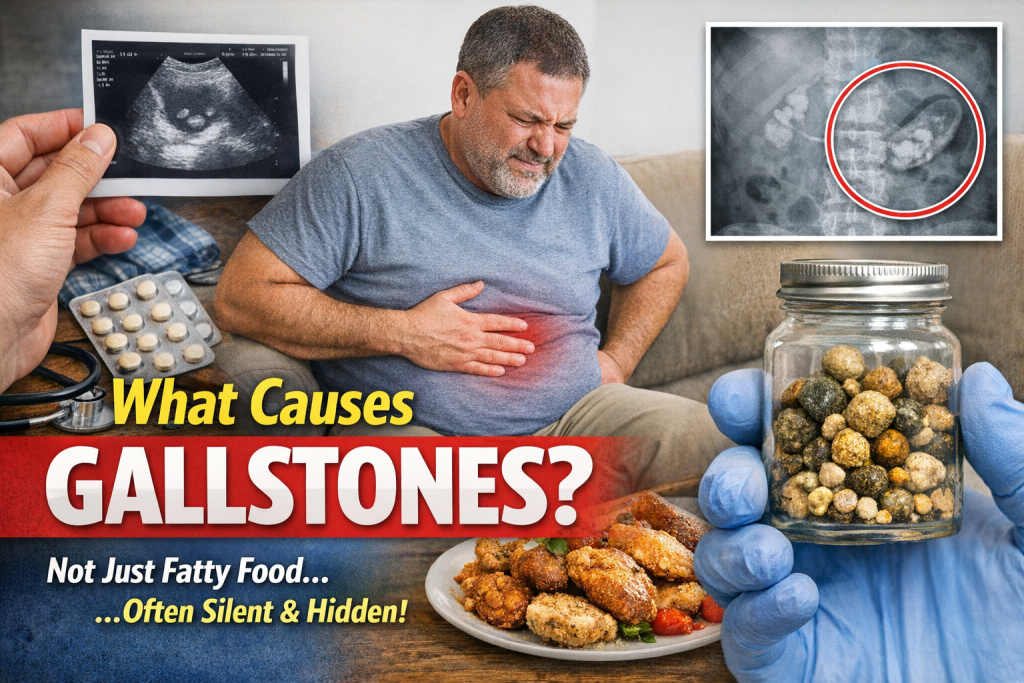
Gallstones are common, but the reasons they form are often misunderstood. Many people assume they come only from eating fatty food, while others do not realize they can develop silently for years without causing any obvious symptoms. In reality, gallstones usually form because the balance of substances inside bile changes over time, and several everyday factors can influence that process.
If you have ever wondered why one person develops gallstones while another does not, the answer is rarely just one single cause. Body weight, hormones, age, family history, rapid weight loss, certain medical conditions, and the way the gallbladder empties all can play a role. Some people have no symptoms at all. Others experience painful attacks that interfere with meals, sleep, work, and daily routines.
This article explains what causes gall stones in plain English, how gallstones form, the different types, the symptoms they may trigger, how doctors usually evaluate them, and what practical steps may help reduce risk. It is written for general education and is not meant to diagnose any individual person or replace medical care.
Table Of Contents
- Understanding what causes gall stones
- Types of what causes gall stones
- Causes of what causes gall stones
- Symptoms of what causes gall stones
- Risk factors
- Diagnosis process
- Living with what causes gall stones
- Prevention strategies
- Practical examples
- Conclusion
- Frequently asked questions
- Final editorial disclaimer
- References
Understanding What Causes Gall Stones
To understand what causes gall stones, it helps to start with the gallbladder itself.
The gallbladder is a small organ that sits under the liver. Its job is to store bile, a digestive fluid made by the liver. Bile helps the body break down fats. When you eat, especially when a meal contains fat, the gallbladder squeezes and releases bile into the small intestine.
Bile is not just one liquid. It is a mixture of several substances, including:
- Water
- Bile salts
- Cholesterol
- Bilirubin
- Phospholipids
- Other dissolved materials
Gallstones can form when this mixture gets out of balance. Think of bile like a solution that is supposed to keep certain substances dissolved. If too much cholesterol or bilirubin is present, or if the gallbladder does not empty well, those substances may start to clump together. Over time, those tiny particles can grow into stones.
Some gallstones are as small as grains of sand. Others are much larger. A person may have one stone or many. Size does not always predict how serious symptoms will be. A small stone that moves into a duct can cause major problems, while a large stone may sit quietly in the gallbladder for years.
This is why the question “what causes gall stones” is really about a few core mechanisms working together:
Too Much Cholesterol In Bile
In many cases, bile contains more cholesterol than it can keep dissolved. When that happens, cholesterol can harden into crystals. Those crystals may collect and gradually form cholesterol stones, which are the most common type.
Too Much Bilirubin
Bilirubin is a pigment produced when the body breaks down old red blood cells. If bilirubin levels rise too much, stones made partly or mostly from pigment may form.
Poor Gallbladder Emptying
If the gallbladder does not empty fully or often enough, bile can sit there too long and become concentrated. That makes crystal formation more likely.
A Combination Effect
Most people do not develop gallstones for just one reason. A more realistic picture is this: someone may have a genetic tendency, gain weight over time, go through pregnancy, lose weight very quickly, or develop diabetes. These factors interact and gradually create the conditions that allow stones to form.
In daily life, this matters because gallstones are not simply a result of one “bad” meal or one unhealthy habit. They often reflect a longer-term pattern in metabolism, bile chemistry, and gallbladder function.
Types Of What Causes Gall Stones
Strictly speaking, gallstones themselves are not “types of causes,” but understanding the main types of gallstones helps explain why they form. Different stone types are linked to different body processes.
Cholesterol Gallstones
These are the most common type. They usually form when bile contains more cholesterol than it can properly dissolve.
This does not automatically mean a person eats a high-cholesterol diet. Diet may matter, but the bigger issue is how the body handles cholesterol overall. The liver may release too much cholesterol into bile, and the gallbladder may not empty efficiently enough to prevent crystal formation.
A practical example is someone with obesity or insulin resistance. Their metabolism may make it easier for bile to become overloaded with cholesterol, even if they are not eating the same foods every day.
Pigment Gallstones
Pigment stones are linked more closely to bilirubin. They tend to form when the body is producing too much bilirubin or when bile chemistry changes in ways that favor pigment stone formation.
This can happen in some liver conditions and in certain blood disorders where red blood cells break down faster than normal. These stones are often described as black or brown pigment stones.
Silent Gallstones Vs Symptomatic Gallstones
Another useful way to think about gallstones is not by composition, but by whether they cause trouble.
- Silent gallstones do not cause symptoms and are often discovered by chance during an imaging test for another reason.
- Symptomatic gallstones cause pain, inflammation, blockage, or complications.
This matters because many people have gallstones and never know it. Treatment decisions often depend less on the stone itself and more on whether it is causing symptoms or complications.
Causes Of What Causes Gall Stones
Now to the main question: what causes gall stones?
The clearest answer is that gallstones form when bile becomes unbalanced and the gallbladder environment allows crystals to grow. But that broad idea becomes much more useful when broken down into specific causes.
1. Excess Cholesterol In Bile
This is one of the biggest reasons gallstones form.
Bile normally helps carry cholesterol out of the body. But when bile contains too much cholesterol and not enough bile salts or other components to keep it dissolved, the cholesterol can come out of solution and form crystals. Over time, these crystals may become stones.
Why this matters in real life:
- It explains why gallstones are common in people with obesity
- It helps explain the link with metabolic issues such as insulin resistance
- It shows why gallstones are not just a random event
A useful way to picture it is sugar crystallizing at the bottom of an overly concentrated syrup. Once the balance shifts, solid material begins to appear.
2. Gallbladder Sluggishness Or Incomplete Emptying
Even normal bile can become a problem if it sits too long.
The gallbladder is supposed to contract and release bile after meals. If it empties poorly, bile becomes stagnant and concentrated. This gives crystals more time to form and grow.
This can happen with:
- Fasting for long periods
- Very low-calorie diets
- Rapid weight loss
- Pregnancy
- Illnesses that affect digestion or movement of the biliary system
For example, someone who skips meals all day and then eats one large meal at night may not automatically develop gallstones, but long periods of poor gallbladder stimulation can be one piece of the puzzle in vulnerable people.
3. Rapid Weight Loss
This is one of the most overlooked causes.
Many people know that being overweight is linked to gallstones. Fewer realize that losing weight too quickly can also raise the risk. During rapid weight loss, the liver may release extra cholesterol into bile, while the gallbladder may empty less effectively.
This is why gallstones may form during:
- Crash dieting
- Very low-calorie plans
- Extended fasting
- Some forms of weight-loss surgery
- Extreme, unsupervised diet programs
This does not mean weight loss is bad. It means the pace matters. Gradual, sustainable weight loss is generally easier on the biliary system than intense swings.
4. Increased Bilirubin Production
Some gallstones are caused more by bilirubin than cholesterol.
When the body breaks down red blood cells, bilirubin is produced. If bilirubin levels become too high, it can contribute to pigment stone formation. Certain blood disorders and some liver conditions are linked to this process.
This matters because not all gallstones come from the same metabolic pathway. A person with a pigment stone may have a different underlying story than a person with a classic cholesterol stone.
5. Hormonal Effects, Especially Estrogen
Hormones can influence bile composition and gallbladder function.
Higher estrogen levels are associated with greater gallstone risk because estrogen can increase cholesterol in bile. This helps explain why risk may be higher in some women, especially during pregnancy or while using certain hormone-based medications.
Progesterone may also play a role by slowing gallbladder emptying. During pregnancy, this combination can make gallstone formation more likely.
This is one reason gallstones are not only about food choices. Hormonal shifts can change bile chemistry even when a person is otherwise living carefully.
6. Genetics And Family History
Some people are simply more prone to gallstones.
If gallstones run in a family, genetics may influence how the liver handles cholesterol, how the gallbladder moves, or how bile is composed. Family history does not guarantee gallstones, but it can raise the baseline risk.
In practice, this means two siblings might eat similarly, yet one develops gallstones and the other never does. The inherited tendency may help explain the difference.
7. Liver Disease And Certain Blood Disorders
Some medical conditions change the makeup of bile or the handling of bilirubin.
Examples include:
- Cirrhosis
- Some forms of chronic liver disease
- Hemolytic disorders, where red blood cells break down more quickly than usual
These conditions can support pigment stone formation and sometimes increase the chance of complications.
8. Digestive Conditions That Affect Bile Balance
Some gut conditions may increase gallstone risk because they interfere with the normal recycling of bile salts.
When bile salts are not handled normally, cholesterol may be less likely to stay dissolved in bile. Certain digestive diseases, including some forms of inflammatory bowel disease, can contribute to this process.
9. Diabetes And Metabolic Problems
Diabetes is associated with a higher risk of gallstones, especially when it overlaps with obesity, insulin resistance, or high triglycerides. These metabolic changes can affect bile composition and gallbladder function.
This is important because gallstones are often part of a broader metabolic picture. A person dealing with blood sugar issues, abdominal weight gain, and abnormal lipids may also be more likely to develop stones.
10. Prolonged Fasting Or Irregular Eating Patterns
Regular gallbladder emptying helps move bile through the system. Long periods without eating may reduce that natural emptying pattern.
This does not mean everyone who fasts will get gallstones. But in some people, especially those with other risk factors, prolonged fasting or severe calorie restriction may add to risk.
Symptoms Of What Causes Gall Stones
Gallstones do not always cause symptoms. In fact, many people have silent gallstones and never know it.
When symptoms do happen, they usually occur because a stone temporarily blocks the flow of bile or causes inflammation.
Common Symptoms
Upper Right Abdominal Pain
This is the classic symptom. The pain is often felt in the upper right side of the abdomen, though some people feel it in the upper middle area instead.
It may:
- Start suddenly
- Become intense quickly
- Last from around 30 minutes to several hours
- Happen after eating, often after a heavier meal
- Come in episodes rather than staying constant every day
Many people describe it as more severe than ordinary indigestion.
Pain That Spreads
The pain can move to:
- The back
- The right shoulder blade area
- The right shoulder
This spreading pattern can make the problem confusing, especially when someone is not sure whether the issue is digestive, muscular, or something else.
Nausea Or Vomiting
Some people feel sick during a gallbladder attack. This is especially common when pain is strong.
Bloating Or Digestive Discomfort
Some people report bloating or a feeling that certain meals do not sit well. Still, it is important to be careful here. Gallstones are famous for being blamed for many vague digestive complaints, and not all bloating is caused by gallstones.
Symptoms Of More Serious Complications
If a gallstone causes ongoing blockage, symptoms may become more severe.
Warning signs include:
- Fever
- Chills
- Yellowing of the skin or eyes
- Dark urine
- Pale stools
- Severe pain that does not improve
- Ongoing vomiting
These signs may suggest inflammation, infection, or blockage in the bile ducts and deserve prompt medical attention.
What A Real-Life Attack May Feel Like
A typical episode might look like this:
A person eats a rich evening meal and feels fine at first. One or two hours later, they develop steady pain under the right ribs or in the upper middle abdomen. The pain builds, they cannot get comfortable, they feel nauseated, and the discomfort may spread to the back. After a few hours, it settles.
That pattern can strongly suggest biliary pain, though only a proper medical evaluation can determine the cause.
Risk Factors
Risk factors are not the same as direct causes, but they make gallstones more likely.
Body Weight And Obesity
Being overweight or having obesity is one of the strongest risk factors. It is associated with higher cholesterol levels in bile and can also affect how well the gallbladder empties.
Rapid Weight Loss
Fast weight loss can increase gallstone risk, especially when a person loses a large amount of weight quickly.
Female Sex And Hormonal Changes
Women are generally more likely to develop gallstones than men, especially during years when estrogen exposure is higher. Pregnancy, hormone therapy, and some birth control methods may raise risk in some individuals.
Age
Risk tends to increase with age. Gallstones can happen in younger people, but they become more common as people get older.
Family History
A close family history may increase the likelihood of developing gallstones.
Pregnancy
Pregnancy can increase risk due to hormone changes and slower gallbladder emptying. Some people develop stones during pregnancy, while others develop symptoms later.
Diabetes And Insulin Resistance
Metabolic changes related to diabetes and insulin resistance can make gallstones more likely.
Certain Liver Or Blood Disorders
These may raise the likelihood of pigment stones.
Digestive Diseases
Some conditions that affect the intestines or bile salt circulation can increase risk.
Physical Inactivity
A sedentary lifestyle often overlaps with other risk factors, including obesity and metabolic syndrome.
Irregular Or Highly Restrictive Eating Patterns
Repeated cycles of fasting, crash dieting, or severe calorie restriction can be hard on the gallbladder.
Common Mistake To Avoid
One common mistake is assuming gallstones happen only to people with unhealthy diets. That is not true. A person can eat fairly well and still develop gallstones because of hormones, family history, pregnancy, diabetes, or rapid weight loss.
Diagnosis Process
Gallstones are not diagnosed based on symptoms alone. Many digestive conditions can cause similar pain, including ulcers, acid reflux, liver problems, pancreatitis, and heart-related issues.
Medical History
A healthcare professional will usually ask:
- Where the pain is
- When it happens
- How long it lasts
- Whether it occurs after meals
- Whether nausea, fever, or jaundice are present
- Whether there is a history of pregnancy, weight loss, diabetes, or family gallbladder disease
Physical Exam
The abdomen may be checked for tenderness, especially in the upper right side.
Ultrasound
Ultrasound is commonly the first imaging test used. It is widely used because it can often show stones in the gallbladder clearly and does not involve radiation.
Blood Tests
Blood tests may help check for:
- Infection
- Inflammation
- Liver involvement
- Bile duct blockage
- Pancreas-related problems
Other Imaging Or Procedures
If a duct stone or complication is suspected, additional imaging or procedures may be used.
Why Diagnosis Matters
The goal is not just to confirm stones exist. The bigger question is:
- Are the stones actually causing the symptoms?
- Is there inflammation?
- Is there bile duct blockage?
- Is urgent treatment needed?
That distinction matters because many people with silent gallstones never need treatment, while symptomatic or complicated gallstones may need closer management.
Living With What Causes Gall Stones
Living with gallstones can mean very different things depending on whether they are silent or symptomatic.
If Gallstones Are Silent
Some people find out they have gallstones during an ultrasound for another issue. They may feel completely normal. In many cases, no immediate treatment is needed if the stones are not causing symptoms.
Still, it helps to understand what to watch for:
- Sudden upper abdominal pain
- Pain after meals
- Fever
- Jaundice
- Vomiting
- Pain that keeps coming back
If Gallstones Are Causing Symptoms
Daily life can become unpredictable.
Someone with repeated biliary pain may start avoiding restaurant meals, rich foods, travel plans, social events, or even normal dinners because they worry about triggering an attack. Sleep can be disrupted if pain happens at night. Eating may become stressful instead of enjoyable.
Practical Daily Challenges
People with symptomatic gallstones often deal with:
- Fear of pain after eating
- Uncertainty about which foods will trigger discomfort
- Anxiety when pain appears suddenly
- Missing work or activities during attacks
- Confusion between gallbladder pain and other stomach issues
Helpful Day-To-Day Adjustments
These strategies do not “cure” gallstones, but they may help some people manage symptoms while awaiting evaluation or treatment advice:
- Eat smaller meals instead of very large meals
- Avoid long fasting periods followed by overeating
- Be cautious with very rich, greasy, or heavy meals if they seem to trigger symptoms
- Keep a simple symptom and food diary
- Stay hydrated
- Seek medical review if attacks are recurring
A Realistic Example
Imagine someone who notices strong pain only after large weekend takeout meals. During the week, they eat smaller portions and feel mostly fine. They may wrongly assume the issue is just “bad digestion.” But the repeated pattern after heavier meals can be a useful clue worth discussing with a clinician.
Prevention Strategies
Not all gallstones can be prevented, especially when genetics, age, pregnancy, or certain medical conditions are involved. But risk can often be reduced.
Maintain A Healthy Weight Gradually
Steady weight management may help lower risk, especially when done gradually.
What often works better than extreme dieting:
- Balanced meals
- A moderate calorie deficit if weight loss is needed
- Consistent physical activity
- Avoiding crash diets
The key idea is stability. Big swings in weight can be harder on the gallbladder than slow, sustainable change.
Avoid Rapid Weight Loss
This is one of the most practical prevention points.
Safer weight loss habits may include:
- Avoiding very low-calorie plans unless medically supervised
- Choosing realistic weekly goals
- Building meals around protein, fiber, and whole foods
- Seeking professional advice after bariatric surgery or during aggressive weight-loss programs
Eat Regularly
Regular meals help stimulate gallbladder emptying. Skipping meals all day and then eating one heavy meal may not be ideal for people already at risk.
Support Metabolic Health
Managing diabetes, insulin resistance, high triglycerides, and abdominal obesity may support a lower-risk environment overall.
Useful long-term habits include:
- Regular movement
- Better sleep routines
- Balanced carbohydrate intake
- More fiber-rich foods
- Consistent medical follow-up when needed
Be Careful With Repeated Crash Dieting
Many people do not follow one crash diet. They follow several over the years. This repeated pattern of gain, loss, and regain may be especially unhelpful.
Pregnancy Awareness
Pregnancy-related gallstones are not always preventable, but awareness helps. Persistent upper abdominal pain, vomiting, jaundice, or fever during pregnancy should not be ignored.
When To Seek Medical Care Promptly
A person should seek urgent medical evaluation if gallstone-type symptoms come with:
- High fever
- Chills
- Yellow skin or eyes
- Severe persistent pain
- Inability to keep fluids down
- Confusion, weakness, or worsening illness
These symptoms can signal complications that should not be managed with home remedies.
Practical Examples
This section turns the information into everyday action.
Daily Habit Checklist
A simple gallbladder-friendly routine may include:
- Eat breakfast or another morning meal instead of fasting all day
- Keep lunch and dinner portions moderate
- Include fiber-rich foods most days
- Avoid extreme dieting
- Move your body regularly
- Stay hydrated
- Track recurring pain patterns
- Get evaluated if attacks repeat
Sample Balanced Day Of Eating
This is not a treatment plan, but it shows the general idea of steady, moderate eating.
Breakfast
- Oatmeal with fruit
- Greek yogurt or eggs
- Water or unsweetened tea
Lunch
- Grilled chicken or beans
- Brown rice or whole grains
- Cooked vegetables or salad
Snack
- Fruit
- A handful of nuts if tolerated
Dinner
- Fish, tofu, or lean protein
- Roasted vegetables
- Potatoes, quinoa, or another simple starch
What this pattern does
- Helps avoid long fasting periods
- Reduces the chance of one huge evening meal
- Supports weight stability
- May be easier on digestion than heavy, late-night meals
Beginner Do And Don’t List
Do
- Pay attention to repeated upper abdominal pain
- Seek medical care for severe or unusual symptoms
- Lose weight gradually if needed
- Ask about gallstone risk if you are pregnant, diabetic, or planning major weight loss
- Keep follow-up appointments if gallstones have already been found
Don’t
- Assume every stomach ache is “just gas”
- Ignore jaundice, fever, or severe pain
- Start extreme dieting without understanding the risks
- Expect supplements or internet remedies to safely dissolve most gallstones
- Self-diagnose based only on social media advice
Scenario 1: The Crash Diet Problem
A person loses 25 pounds quickly on a severe low-calorie plan. A month later, they begin having upper right abdominal pain after meals.
Why this matters:
Rapid weight loss can increase gallstone risk. The problem is not the desire to improve health. It is the speed and extremity of the method.
Better takeaway:
Aim for a slower, more sustainable plan and get medical guidance when losing a large amount of weight.
Scenario 2: The Silent Stone
A person has an ultrasound for unrelated stomach discomfort and is told they have gallstones, but they have never had classic biliary pain.
Why this matters:
Not all gallstones need immediate treatment. The key question is whether the stones are causing symptoms or complications.
Better takeaway:
Understand warning signs, follow medical advice, and avoid assuming every future digestive symptom is from the stones.
Scenario 3: The Post-Meal Pattern
A person feels fine most days but gets intense pain two hours after heavy restaurant meals, especially at night.
Why this matters:
A pattern like this can fit biliary pain and deserves evaluation.
Better takeaway:
Keep a symptom log and seek an assessment rather than guessing.
Scenario 4: Pregnancy And Gallbladder Symptoms
A pregnant person notices repeated upper abdominal pain with nausea and assumes it is just normal pregnancy digestion.
Why this matters:
Some digestive changes are common in pregnancy, but ongoing or severe pain should still be assessed.
Better takeaway:
Do not dismiss significant or recurring upper abdominal pain, especially if it comes with vomiting, fever, or jaundice.
Practical Questions To Ask A Clinician
If gallstones are suspected, useful questions may include:
- Do my symptoms fit gallstones or something else?
- Are the stones silent, symptomatic, or causing complications?
- Do I need imaging or blood tests?
- Are there warning signs that mean I should get urgent help?
- If I need to lose weight, what pace is safer for my gallbladder?
- What should I expect if symptoms keep recurring?
Conclusion
So, what causes gall stones?
In most cases, gallstones form because bile becomes unbalanced and the gallbladder environment allows material to crystallize and harden over time. Too much cholesterol in bile, excess bilirubin, poor gallbladder emptying, hormone changes, rapid weight loss, metabolic problems, genetics, and certain medical conditions can all contribute.
The most practical lesson is that gallstones are rarely about one isolated meal or one simple mistake. They usually develop from a mix of biology and lifestyle factors. Some people never have symptoms. Others experience painful attacks or complications that need prompt care.
If you notice repeated upper abdominal pain, pain after meals, nausea with intense discomfort, or warning signs such as fever or jaundice, it is worth seeking medical evaluation rather than trying to guess. And if your goal is prevention, steady weight management, regular meals, and avoiding crash dieting are among the most useful steps.