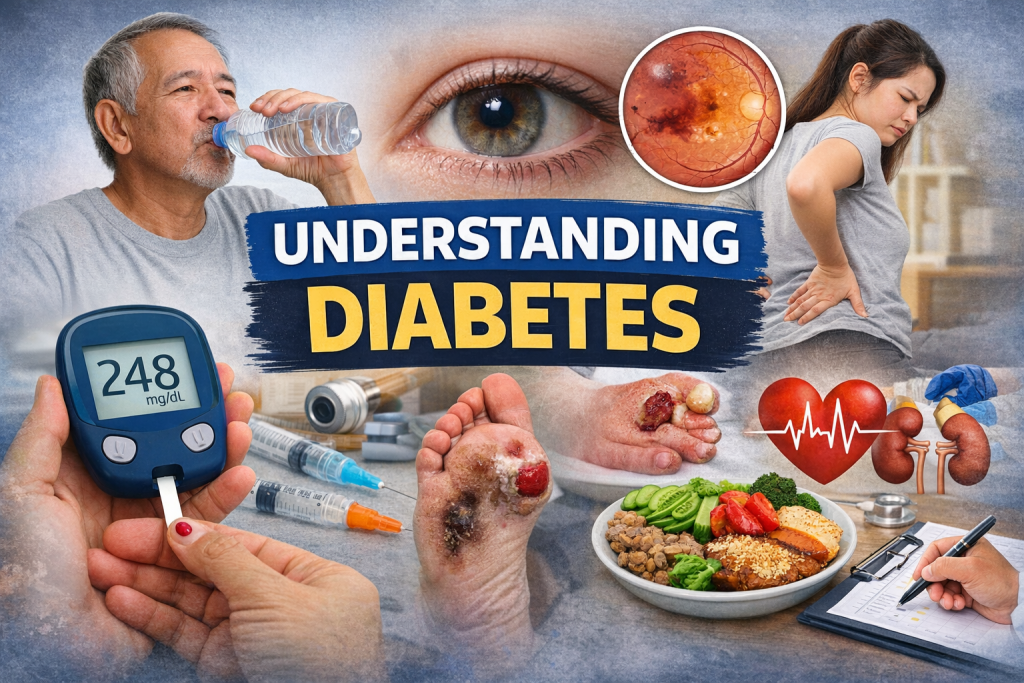
Diabetes mellitus is not just “high blood sugar.” It is a long-term metabolic condition that changes how the body handles glucose, the fuel your cells use for energy. When insulin is missing, too low, or not working well enough, glucose stays in the bloodstream instead of moving into cells. Over time, that can affect energy levels, daily routines, pregnancy, work, sleep, and long-term health in very real ways.
This matters because diabetes can start quietly. Some people develop clear warning signs such as constant thirst, frequent urination, blurry vision, fatigue, or unexplained weight loss. Others feel mostly normal for years and only learn they have diabetes after routine blood work or after a complication begins to show up.
In practical life, diabetes affects much more than lab numbers. It influences what and when you eat, how you plan exercise, whether you need medicine or insulin, how often you monitor blood sugar, and how carefully you protect your eyes, kidneys, nerves, feet, teeth, heart, and blood vessels. The good news is that many people can live full, active lives with diabetes when they understand the condition and build a realistic care plan around it.
This article explains what diabetes mellitus means, the main types, common causes, symptoms, risk factors, how diagnosis works, what daily management looks like, and what prevention can realistically do. It is written for education and general awareness, not for self-diagnosis or replacing personal medical care. Severe symptoms, sudden worsening, or signs of a diabetes emergency need prompt medical attention.
 Table Of Contents
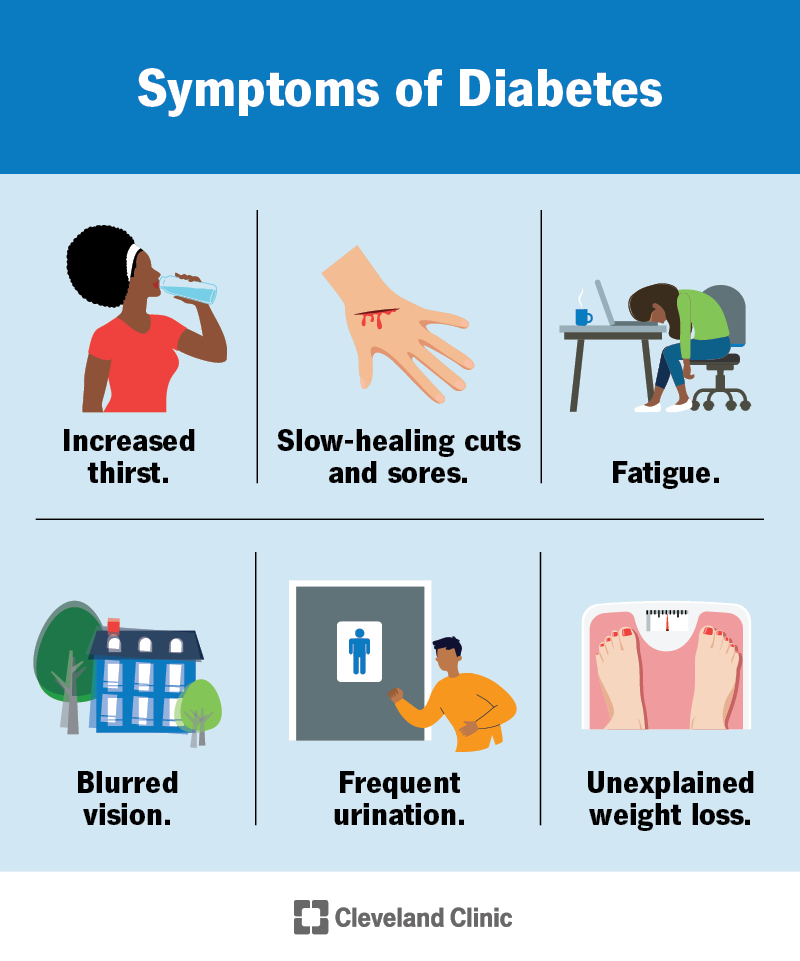 Table Of Contents
- Understanding diabetes mellitus
- Types Of diabetes mellitus
- Causes Of diabetes mellitus
- Symptoms Of diabetes mellitus
- Risk Factors
- Diagnosis Process
- Living With diabetes mellitus
- Prevention Strategies
- Practical Examples
- Conclusion
- Frequently Asked Questions
- Final Editorial Disclaimer
- References
Understanding diabetes mellitus
Diabetes mellitus is a group of conditions in which blood glucose stays too high. Normally, when you eat, much of your food is broken down into glucose and released into the bloodstream. The pancreas then releases insulin, a hormone that acts like a key and helps glucose move from the blood into the body’s cells, where it can be used for energy. In diabetes, that system breaks down. Either the body makes little or no insulin, or it cannot use insulin well enough to keep blood sugar in a healthy range.
That basic mechanism helps explain why diabetes has such wide effects. When glucose remains high in the bloodstream, cells may not get energy efficiently, while blood vessels and nerves are exposed to sugar levels they were not designed to handle for long periods. Over time, this can increase the risk of heart disease, stroke, kidney disease, nerve damage, eye disease, foot problems, and other complications.
It also helps explain why diabetes care is not one single action. It is not only about “avoiding sugar.” It is about understanding food patterns, medication needs, movement, sleep, stress, routine monitoring, and preventive care. For one person that may mean daily insulin and continuous glucose monitoring. For another, it may mean weight management, regular walking, medication, and structured meal planning.
A useful way to think about diabetes is this: it is a condition that requires a long-term partnership between the person living with it and the care plan built around it. The more consistent the plan, the more likely blood sugar and health risks can stay in a safer range.
Types Of diabetes mellitus

Type 1 diabetes
Type 1 diabetes is an autoimmune disease. The immune system mistakenly attacks the insulin-producing beta cells in the pancreas, so the body makes little or no insulin. People with type 1 diabetes need insulin every day to stay alive. Although it is often diagnosed in children and young adults, it can begin at any age.
In daily life, type 1 diabetes often requires closer blood sugar tracking, careful meal and activity planning, and an emergency plan for low blood sugar or diabetic ketoacidosis. Symptoms may appear quickly, sometimes over days or weeks rather than years.
Type 2 diabetes
Type 2 diabetes is the most common form. In this type, the body does not use insulin well, a problem called insulin resistance. At first, the pancreas may produce more insulin to compensate. Over time, it may not be able to keep up, so blood sugar rises further.
Type 2 diabetes often develops gradually. Some people notice symptoms early, but many do not. That is one reason screening matters, especially if someone has risk factors such as excess body weight, physical inactivity, prediabetes, family history, or a history of gestational diabetes.
Gestational diabetes
Gestational diabetes develops during pregnancy. It usually appears around the second half of pregnancy and is commonly screened for between 24 and 28 weeks. It may not cause obvious symptoms, which is why testing is important.
For many people, blood sugar returns to a non-diabetes range after delivery. Still, gestational diabetes matters because it can affect both pregnancy and future health. A history of gestational diabetes increases the risk of developing type 2 diabetes later, so follow-up testing after pregnancy is important.
Prediabetes and rare forms
Prediabetes is not the same as diabetes, but it is closely related. Blood sugar is higher than normal but not yet in the diabetes range. It is a warning stage, not a harmless stage. It raises the future risk of type 2 diabetes and is also linked with higher cardiovascular risk.
There are also less common forms, including monogenic diabetes, which is caused by a change in a single gene, and some secondary forms linked to other diseases or medications. These are uncommon, but they matter because the exact type of diabetes can change which treatment makes the most sense.
Causes Of diabetes mellitus
The causes of diabetes depend on the type.
Type 1 diabetes is caused by an autoimmune process that destroys the pancreatic cells that make insulin. Genetics can play a role, and researchers believe environmental triggers may also contribute, but it is not caused by eating too much sugar or by personal failure.
Type 2 diabetes usually develops through a combination of insulin resistance and declining insulin production. In plain terms, the body starts responding poorly to insulin, the pancreas works harder for a while, and eventually that compensation is no longer enough. This process is often shaped by a mix of genetics, body weight, activity level, age, sleep, and overall metabolic health.
Gestational diabetes happens because pregnancy changes the way the body handles insulin. Hormonal changes can make it harder to keep blood sugar in range, especially if someone already has underlying insulin resistance. That does not mean the pregnancy was “handled wrong.” It means pregnancy can reveal a metabolic strain that the body cannot fully compensate for.
Monogenic diabetes has a different cause altogether: a mutation in a single gene. That is why it may show up in younger people who do not fit the usual picture of type 1 or type 2 diabetes. In real life, this matters because someone can be misclassified for years if the diagnosis is based only on age or body size.
Symptoms Of diabetes mellitus
The classic symptoms of diabetes are increased thirst, frequent urination, fatigue, blurred vision, increased hunger, and unexplained weight loss. Some people also notice slow-healing sores, recurring infections, dry mouth, or numbness and tingling in the feet or hands.
Type 1 diabetes often becomes obvious quickly. A child, teen, or adult may suddenly start drinking water constantly, using the bathroom more, losing weight, and feeling weak or sick. In some cases, the first sign is diabetic ketoacidosis, which is a medical emergency.
Type 2 diabetes is often slower and quieter. A person may simply feel tired after meals, struggle with blurry vision at times, notice repeated skin or yeast infections, or realize cuts on the feet take too long to heal. Some people have no clear symptoms at all and are diagnosed only through screening.
Gestational diabetes frequently causes no obvious symptoms. That is one reason routine testing in pregnancy matters so much. Without testing, a person may feel relatively well and still have blood sugar levels high enough to need treatment.
A diabetes emergency can look different from the more gradual symptoms above. Warning signs that need urgent medical attention can include vomiting, abdominal pain, fruity-smelling breath, shortness of breath, severe weakness, confusion, drowsiness, or worsening dehydration. Very high blood sugar with these symptoms can signal diabetic ketoacidosis or another serious hyperglycemic emergency.
Risk Factors
Risk factors also depend on the type of diabetes.
For type 2 diabetes, major risk factors include having overweight or obesity, being physically inactive, having prediabetes, being age 35 or older, having a family history of diabetes, and having had gestational diabetes. Certain racial and ethnic populations are also affected at higher rates in the United States, and some related health conditions can increase risk further.
In everyday terms, this means risk is not only about body size. A person with a strong family history, years of sitting most of the day, poor sleep, and gradually increasing fasting glucose may be moving toward diabetes even if they do not “look unhealthy.” On the other hand, not everyone with extra weight develops diabetes, which is why the topic should be handled without blame.
For gestational diabetes, pregnancy itself creates a metabolic stress test. A previous history of gestational diabetes matters because it raises the chance of developing it again and also raises future type 2 diabetes risk after pregnancy.
Type 1 diabetes can happen in people of many body types and lifestyles. Family history can increase risk, but many people diagnosed with type 1 diabetes did not cause it and could not have prevented it through typical lifestyle changes.
Diagnosis Process
Diabetes is diagnosed with blood tests. The main tests are the A1C test, fasting plasma glucose test, oral glucose tolerance test, and random plasma glucose test when symptoms are present. In many cases, an abnormal result needs to be confirmed with repeat testing unless blood sugar is clearly very high along with classic symptoms.
Here are the standard non-pregnancy cutoffs commonly used for type 2 diabetes and prediabetes:
- A1C
- Normal: below 5.7%
- Prediabetes: 5.7% to 6.4%
- Diabetes: 6.5% or higher
- Fasting plasma glucose
- Normal: below 100 mg/dL
- Prediabetes: 100 to 125 mg/dL
- Diabetes: 126 mg/dL or higher
- 2-hour oral glucose tolerance test
- Normal: 139 mg/dL or below
- Prediabetes: 140 to 199 mg/dL
- Diabetes: 200 mg/dL or higher
- Random plasma glucose
- Diabetes may be diagnosed at 200 mg/dL or higher when symptoms are present.
Pregnancy is different. Gestational diabetes screening is typically done between 24 and 28 weeks. If blood sugar is high early in pregnancy, a clinician may consider whether undiagnosed type 1 or type 2 diabetes was already present before pregnancy. After gestational diabetes, follow-up testing after delivery is important because later type 2 diabetes risk remains higher.
Sometimes the first question is not just “Do you have diabetes?” but “What kind?” If the presentation is unusual, clinicians may use autoantibody testing, clinical history, or genetic testing to separate type 1, type 2, and monogenic diabetes. That distinction matters because treatment depends heavily on the type.
Living With diabetes mellitus
Living with diabetes is often more about patterns than perfection. Daily management usually includes food planning, physical activity, medication or insulin when prescribed, blood sugar monitoring, sleep, stress management, and regular checkups. This sounds like a lot because it is a lot, which is why diabetes care works best when it is realistic rather than extreme.
Food does not need to become frightening. Many people do well using simple structure rather than obsession. A practical plate method is to fill half the plate with nonstarchy vegetables, one quarter with protein, and one quarter with higher-fiber carbohydrate foods such as beans, whole grains, fruit, or starchy vegetables. Eating regular, balanced meals and keeping carbohydrate portions more consistent from meal to meal can make blood sugar easier to manage.
Movement is one of the most useful tools in diabetes care. Physical activity helps lower blood sugar, improves insulin sensitivity, and supports heart health. General guidance often points to at least 150 minutes a week of moderate activity, such as brisk walking or cycling, but the best plan is the one a person can actually repeat. A ten-minute walk after meals, for example, may be more realistic for some people than long gym sessions.
Medication needs vary. People with type 1 diabetes need insulin. People with type 2 diabetes may use lifestyle changes alone at first, or they may need oral medicines, non-insulin injections, insulin, or a combination. Some medicines for type 2 diabetes can also support weight loss or lower heart and kidney risk in the right patient, but medication choice should be individualized with a qualified clinician.
Monitoring is also individualized. Some people check blood sugar with a traditional glucose meter. Others use a continuous glucose monitor, which can make patterns easier to see and may help with day-to-day decisions. Monitoring is especially important when a person uses insulin, has frequent lows, or is adjusting treatment.
Low blood sugar deserves special attention. Blood sugar below 70 mg/dL is considered low, and it can be dangerous if ignored. It is more common in people taking insulin or certain medications. Missing meals, exercising more than usual, alcohol use, or taking too much medication can all contribute.
Long-term living with diabetes also means preventive care. People with diabetes should pay attention to eye exams, foot checks, dental care, kidney health, blood pressure, and cholesterol. In real life, a small blister on the foot, gum bleeding that keeps recurring, or slowly worsening vision should not be brushed off as minor annoyances.
The emotional side matters too. Stress can make blood sugar rise or fall unpredictably, and living with a long-term condition can be exhausting. Good diabetes care includes emotional support, not just prescriptions. When someone feels overwhelmed, structured diabetes education and support programs can help turn confusing advice into a daily routine that actually fits real life.
Prevention Strategies
Not every form of diabetes can be prevented in the same way. There is no standard lifestyle formula that reliably prevents type 1 diabetes, and not all cases of gestational diabetes are preventable. But type 2 diabetes can often be prevented or delayed, especially when action starts in the prediabetes stage.
The strongest prevention pattern is simple, though not always easy: modest weight loss when appropriate, regular physical activity, and a sustainable eating pattern. Losing about 5% to 7% of body weight if you have overweight, along with at least 150 minutes a week of moderate activity, can significantly reduce the risk of developing type 2 diabetes. The CDC’s National Diabetes Prevention Program describes lifestyle change programs that can cut risk roughly in half.
Prevention works better when it is specific. “Eat better” is too vague. “Swap sugary drinks for water most days, walk 30 minutes five days a week, and build dinner around vegetables plus protein before adding starch” is much more actionable. The same goes for sleep and stress. Too little sleep and chronic stress can work against blood sugar control and insulin sensitivity, so they should be treated as part of prevention, not as side topics.
For people who had gestational diabetes, prevention does not end with delivery. Postpartum testing, returning to regular activity, healthy weight management, and ongoing screening matter because the future risk of type 2 diabetes stays higher.
Practical Examples
A realistic beginner routine
A newly diagnosed person with type 2 diabetes does not need to “eat perfectly” by tomorrow. A better first week might look like this:
- Eat three balanced meals instead of skipping breakfast and overeating late at night.
- Build lunch and dinner with the plate method.
- Walk 10 to 15 minutes after one or two meals each day.
- Drink water more often and cut back on soda or sweet tea.
- Take medication at the same time every day.
- Keep a simple log of meals, activity, and blood sugar if checking at home.
That kind of routine is not dramatic, but it is repeatable. Repeatable habits are what lower risk over time.
Sample day of meals
Here is one practical example of a balanced day:
- Breakfast: Plain Greek yogurt or eggs, berries, and a small portion of oatmeal or whole-grain toast
- Lunch: Grilled chicken, large salad with olive oil dressing, and a side of beans or brown rice
- Snack: Apple slices with peanut butter, or a small handful of nuts
- Dinner: Salmon or tofu, roasted vegetables, and a small baked sweet potato
- Evening option if needed: Cottage cheese, unsweetened yogurt, or a small balanced snack based on your care plan
The goal is not zero carbohydrate. The goal is better carbohydrate quality, steadier portions, and meals that include fiber and protein.
Daily self-checklist
A practical diabetes checklist may include:
- Did I take my medicine or insulin as prescribed?
- Did I eat balanced meals instead of long, chaotic gaps?
- Did I move my body today?
- Did I notice symptoms of high or low blood sugar?
- Did I check my feet for cuts, redness, swelling, or blisters?
- Am I sleeping enough and managing stress reasonably?
- Do I have enough medication and supplies for the next week?
What to do for low blood sugar
If you have diabetes and your clinician has warned you about hypoglycemia, know your plan in advance. A common rule is the 15-15 approach: take 15 grams of fast-acting carbohydrate, wait 15 minutes, and recheck. If blood sugar is still below 70 mg/dL, repeat. After recovery, eat a balanced snack or meal if the next full meal is not soon.
Examples of fast-acting carbohydrate may include glucose tablets, regular juice, or another quick sugar source that fits your care plan. Chocolate is often a poor emergency choice because fat can slow how fast sugar is absorbed. Severe low blood sugar, confusion, seizure, or loss of consciousness is an emergency.
Common mistakes
Common real-world mistakes include:
- Trying to “earn” unhealthy meals by skipping other meals
- Believing all fruit is bad
- Ignoring sleep and stress
- Waiting too long to follow up after abnormal labs
- Stopping medicine because numbers improved
- Treating numb feet, blurry vision, or gum bleeding as minor issues
- Using shame as motivation instead of systems and habits
Real-life scenarios
Scenario 1: The busy office worker
Someone sits most of the day, skips lunch, and eats a heavy dinner late at night. A better starting strategy may be bringing a balanced lunch, walking for 10 minutes after meals, and keeping regular eating times.
Scenario 2: The parent after gestational diabetes
The baby is born, life gets busy, and follow-up testing gets postponed. A better plan is to schedule postpartum testing before leaving pregnancy care, then build a simple routine around walking with the stroller, consistent meals, and future screening.
Scenario 3: The older adult with foot numbness
A person ignores reduced sensation in the feet and keeps wearing tight shoes. A safer approach is daily foot checks, earlier medical review, and prompt care for any blister, cut, or pressure spot.
Conclusion
Diabetes mellitus is a broad term, but the core issue is straightforward: blood glucose stays too high because insulin is missing, insufficient, or not working well enough. From there, the condition can take different forms, from autoimmune type 1 diabetes to the more gradual insulin resistance pattern of type 2 diabetes to diabetes that begins during pregnancy.
The most practical takeaway is that diabetes management is built on patterns. Balanced meals, regular movement, medication adherence, blood sugar monitoring when needed, sleep, stress care, and preventive checkups work together. Small habits matter more than short bursts of perfection.
If you recognize symptoms, have risk factors, or have had abnormal blood sugar before, the next step is not panic. It is proper testing, a clear diagnosis, and a plan that matches your type of diabetes, your daily life, and your medical needs.