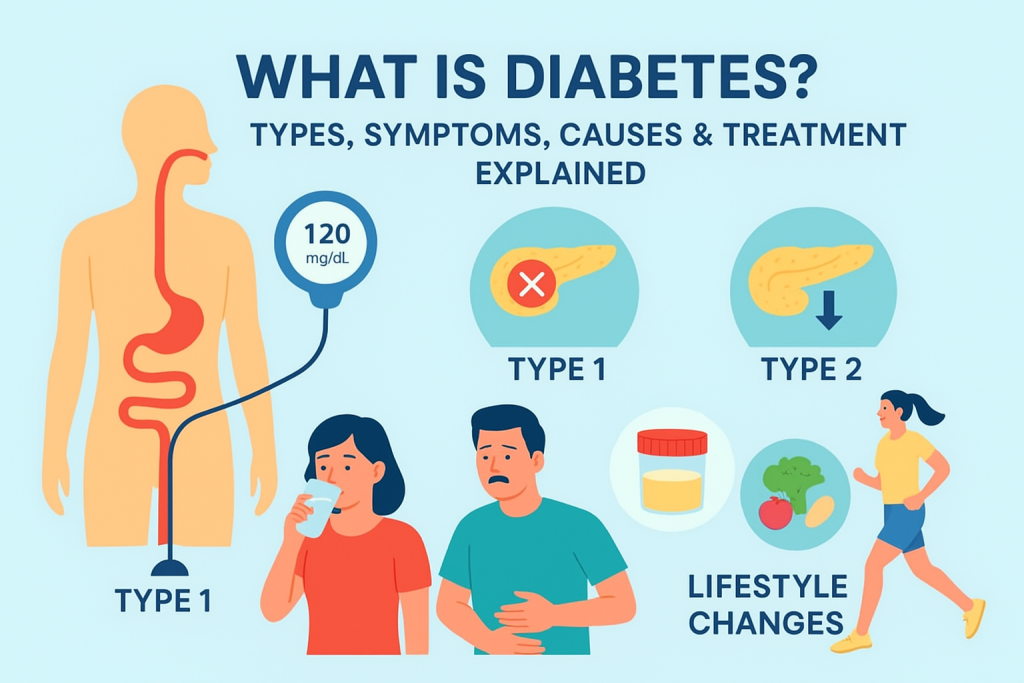
Diabetes is one of the most common long-term health conditions in the world, yet many people still think of it in overly simple terms. It is not just “high sugar.” It is a condition that affects how the body handles glucose, how energy is used, and how several major organs can be affected over time if blood sugar stays out of range for too long.
In real life, diabetes can shape everyday decisions in ways that are both obvious and subtle. It can affect what you eat, how much energy you have, how well you heal, how often you need medical follow-up, and even how you plan your workday, travel, exercise, and sleep. For some people, symptoms come on fast and dramatically. For others, the condition develops quietly for years before it is finally discovered on a blood test.
This guide explains what diabetes is, the different types, what causes it, how symptoms may show up, how diagnosis works, what daily management often involves, and what practical steps may help reduce risk or support better long-term health. It is for educational purposes only and does not replace personal medical advice, diagnosis, or treatment from a qualified healthcare professional.
Table Of Contents
- Understanding Diabetes
- Types Of Diabetes
- Causes Of Diabetes
- Symptoms Of Diabetes
- Risk Factors
- Diagnosis Process
- Living With Diabetes
- Prevention Strategies
- Practical Examples
- Conclusion
- Frequently Asked Questions
- Final Editorial Disclaimer
- References
Understanding Diabetes
Diabetes is a chronic condition in which blood glucose, also called blood sugar, becomes too high. Glucose is a key source of energy for the body. After you eat, your digestive system breaks food down into nutrients, including glucose. Insulin, a hormone made by the pancreas, helps move glucose from the bloodstream into the body’s cells, where it can be used for energy. When the body does not make enough insulin, cannot use insulin properly, or both, glucose builds up in the blood.
That buildup matters because high blood sugar is not just a lab number. Over time, it may damage blood vessels and nerves and raise the risk of complications involving the heart, kidneys, eyes, and feet. Diabetes can also affect day-to-day well-being by causing fatigue, increased thirst, frequent urination, blurred vision, and difficulty healing.
A simple way to think about diabetes is this: the body is having trouble managing fuel. Either insulin is missing, insulin is not working well, or the system is under enough strain that blood sugar rises above a healthy range. The details vary depending on the type of diabetes, which is why understanding the specific type matters so much.
Types Of Diabetes
Type 1 diabetes
Type 1 diabetes happens when the body makes little or no insulin. It is generally considered an autoimmune condition, meaning the immune system attacks the insulin-producing cells in the pancreas. It often begins in childhood or adolescence, but it can also develop in adults. Symptoms may appear quickly and can become severe in a short period of time.
In practical terms, a person with type 1 diabetes usually needs insulin every day to survive. This is not a lifestyle preference or an optional step. Without enough insulin, the body cannot properly use glucose, and dangerous complications such as diabetic ketoacidosis can develop.
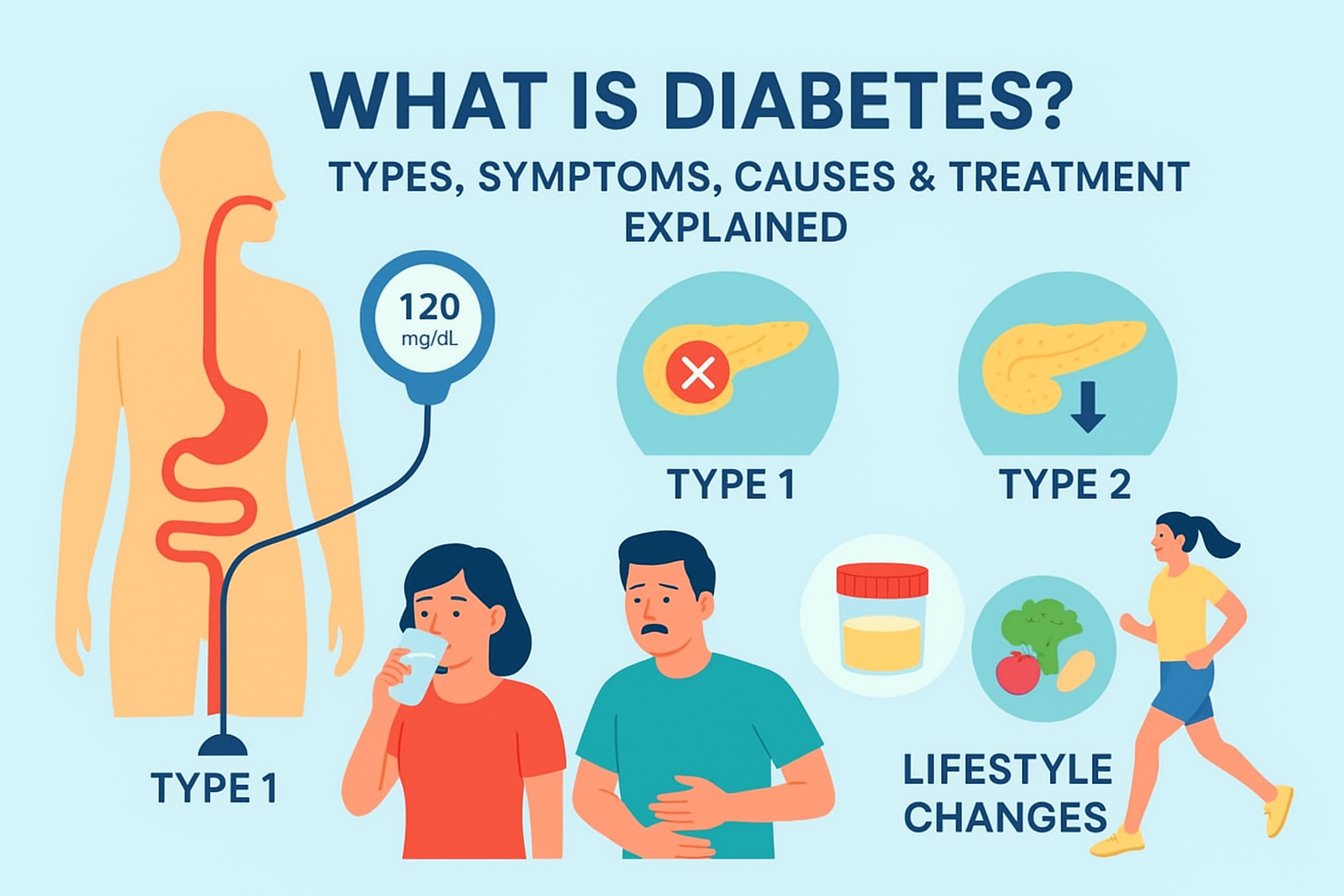
Type 2 diabetes
Type 2 diabetes is the most common form. In this type, the body does not use insulin well, and over time it may also fail to make enough insulin to keep blood sugar in range. It often develops gradually over years and may go unnoticed for a long time. Although it is more common in adults, it is also being seen more often in younger people.
Many people with type 2 diabetes start with insulin resistance, a state in which the body’s cells do not respond to insulin as effectively as they should. The pancreas may initially try to compensate by making more insulin, but eventually that may no longer be enough. This is why type 2 diabetes can progress slowly and why early action matters.
Gestational diabetes
Gestational diabetes develops during pregnancy. It means blood sugar levels are higher than they should be during that time. It needs attention because it can affect both the pregnant person and the baby. In many cases, blood sugar returns closer to normal after pregnancy, but having gestational diabetes raises the future risk of developing type 2 diabetes later on.
Prediabetes
Prediabetes is not the same as diabetes, but it is an important warning stage. Blood sugar is higher than normal but not yet in the diabetes range. Many people have no symptoms, which is why screening matters. Prediabetes is especially important because lifestyle changes can sometimes delay or prevent progression to type 2 diabetes.
Causes Of Diabetes
The causes of diabetes depend on the type.
What causes type 1 diabetes?
Type 1 diabetes is linked to autoimmune damage to the pancreas. Genetics appear to play a role, and some environmental triggers may also be involved. It is not caused by eating too much sugar, and it is not something a person simply gives themselves through ordinary lifestyle choices.
What causes type 2 diabetes?
Type 2 diabetes develops through a mix of biology, genetics, and lifestyle-related factors. The central issue is usually insulin resistance, combined over time with reduced insulin production. Excess body weight in some individuals, low physical activity, poor sleep habits, family history, aging, and certain health conditions can all contribute. But it is still important to avoid blaming people. Two people can live very similar lifestyles and have very different outcomes because genetics and metabolic health are not identical.
What causes gestational diabetes?
During pregnancy, hormones can make it harder for the body to use insulin well. If the pancreas cannot keep up with the higher insulin demand, blood sugar rises. This is why some people who never had diabetes before pregnancy may develop gestational diabetes.
Less common causes
Some cases of diabetes are tied to specific diseases, damage to the pancreas, certain hormonal disorders, or medicines that affect blood sugar. These are less common, but they matter because treatment may need to address the underlying cause as well as the glucose problem itself.
Symptoms Of Diabetes
Many diabetes symptoms happen because excess glucose remains in the bloodstream instead of moving into cells efficiently.
Common symptoms include:
- Feeling very thirsty
- Urinating more often than usual
- Feeling hungrier than usual
- Fatigue or low energy
- Blurred vision
- Unexplained weight loss
- Slow-healing cuts or sores
- Frequent infections
- Numbness or tingling in the hands or feet, especially in type 2 diabetes over time
Type 1 diabetes often appears more suddenly. A child, teen, or adult may seem fine and then, over a matter of weeks, develop intense thirst, frequent urination, weight loss, vomiting, stomach pain, or extreme tiredness. In some cases, diabetic ketoacidosis is the first obvious sign.
Type 2 diabetes often develops more quietly. A person may notice they are more tired than usual, wake up at night to urinate, feel thirsty all the time, or have vision changes they assume are related to stress or age. Others only find out they have diabetes during routine testing.
In daily life, these symptoms can look ordinary at first. Someone may carry water constantly, need the bathroom more often during meetings, feel sleepy after meals, snack more because they feel hungry, or notice that small cuts take longer to heal. When these patterns keep repeating, it is worth paying attention.
Signs that need urgent care

Some symptoms can point to a medical emergency. Seek urgent medical help if diabetes symptoms are paired with trouble breathing, confusion, vomiting, severe weakness, fruity-smelling breath, signs of dehydration, inability to keep liquids down, or severe drowsiness. These can be warning signs of diabetic ketoacidosis or other dangerous glucose-related crises.
Risk Factors
Risk factors vary by type, but several patterns are well established.
Risk factors for type 2 diabetes
These may include:
- Having prediabetes
- Carrying excess weight, especially around the abdomen
- Being physically inactive
- Having a family history of type 2 diabetes
- Older age
- A history of gestational diabetes
- High blood pressure
- Abnormal cholesterol or triglyceride levels
- Certain ethnic and racial backgrounds
- Some sleep and hormonal conditions that affect metabolism
Risk factors for type 1 diabetes
Type 1 diabetes is more strongly tied to autoimmune and genetic factors than to common lifestyle factors. Family history may increase risk, but many people diagnosed with type 1 diabetes do not have an obvious close relative with the condition.
Why risk factors matter in real life
Risk factors are not destiny. They are signs that screening may be more important and that preventive habits may have more value. For example, a person with prediabetes, a parent with type 2 diabetes, and a sedentary desk job may benefit from earlier testing and more consistent activity even before symptoms appear.
Diagnosis Process
Diabetes is usually diagnosed with blood tests, not by symptoms alone. This is important because symptoms can overlap with many other health issues, and some people have no symptoms at all.
Common tests include:
- A1C test: shows average blood sugar over about the past 3 months
- Fasting plasma glucose test: measures blood sugar after fasting
- Oral glucose tolerance test: checks how the body handles a glucose drink over time
- Random plasma glucose test: may be used in some situations, especially when symptoms are obvious
A diagnosis is not just about confirming that blood sugar is high. Clinicians also try to understand which type of diabetes is present, whether complications may already be developing, and what treatment plan makes sense for that individual. In some cases, additional testing is needed because adult-onset diabetes is not always straightforward.
When someone should get tested
Testing may be appropriate if you have classic symptoms such as thirst, frequent urination, unexplained weight loss, or ongoing fatigue. It may also be appropriate if you have prediabetes risk factors, a history of gestational diabetes, or a strong family history. Pregnancy-related screening is also common because gestational diabetes may not cause obvious symptoms.
Living With Diabetes
Living with diabetes often means building routines rather than chasing perfection. The condition can usually be managed more effectively when people understand their numbers, take medications as prescribed, stay physically active, eat in a balanced way, and keep regular follow-up appointments.
Daily management basics
For many people, diabetes care includes some combination of:
- Checking blood sugar as advised
- Taking insulin or other medicines on schedule
- Planning meals with carbohydrate awareness
- Staying active most days
- Managing stress
- Getting enough sleep
- Attending routine medical visits
- Looking after feet, eyes, kidneys, and heart health over time
Food in real life
A diabetes-friendly eating pattern usually does not mean never eating carbohydrates. It usually means being more intentional about portion size, quality, meal timing, and overall pattern. Meals built around vegetables, beans, whole grains, lean proteins, nuts, seeds, yogurt, eggs, fish, or other minimally processed foods often support steadier blood sugar better than meals centered on sugary drinks, large portions of refined starch, or frequent ultra-processed snacks.
For example, compare two lunches. One lunch is a large sugary coffee drink, chips, and white bread sandwiches with little protein. Another is grilled chicken, brown rice or beans, vegetables, and water. Both contain calories, but the second pattern may support better fullness, steadier energy, and more manageable blood sugar for many people. Individual needs still vary, especially when someone uses insulin or has other medical conditions.
Physical activity in real life
Exercise helps because working muscles use glucose. Activity can support blood sugar control, weight management, heart health, and stress reduction. This does not have to mean intense workouts. Brisk walking after meals, cycling, resistance training, swimming, dancing, or structured home exercise can all help. Even short bouts of movement can be useful when done consistently.
Medication and monitoring
Some people manage diabetes with lifestyle changes alone for a time, especially early in type 2 diabetes or prediabetes. Others need oral medications, injectable medicines, insulin, or a combination. Type 1 diabetes requires insulin. The right plan depends on the type of diabetes, glucose levels, pregnancy status, age, other illnesses, and personal circumstances.
Emotional side of diabetes
Diabetes can be mentally tiring. The daily decisions, the number tracking, the worry about complications, and the need to plan ahead can wear people down. Burnout is real. Support from clinicians, diabetes educators, family, or peer communities may help people stay consistent without feeling overwhelmed.
Low blood sugar and other day-to-day safety issues
Not everyone with diabetes is at equal risk for low blood sugar, but it can happen, especially with insulin or certain medications. Symptoms may include shakiness, sweating, anxiety, hunger, confusion, dizziness, and fast heartbeat. Severe hypoglycemia can cause loss of consciousness or inability to self-treat, which is why people at risk need a clear action plan.
Prevention Strategies
Not all diabetes can be prevented. Type 1 diabetes is not currently preventable through ordinary lifestyle habits. But many cases of type 2 diabetes may be delayed or prevented, especially when action starts during the prediabetes stage.
Strategies that may help lower type 2 diabetes risk
- Aim for gradual, sustainable weight loss if weight loss is appropriate for you
- Be physically active on a regular basis
- Build meals around high-fiber, less processed foods more often
- Reduce sugary drinks and frequent large portions of refined carbohydrates
- Sleep more consistently
- Stop smoking if you smoke
- Get regular health checkups
- Take prediabetes seriously rather than waiting for “real diabetes” to appear
Research-backed prevention programs often focus on modest weight loss and increased physical activity, not perfection. That matters because many people assume prevention only works if they make dramatic changes overnight. In reality, sustainable changes are often more realistic and more useful.
Prevention is also about complication prevention
If you already have diabetes, prevention still matters. You may not be preventing the condition itself, but you may be helping prevent or delay complications through glucose management, blood pressure care, cholesterol management, foot care, eye exams, kidney monitoring, and medication adherence.
Practical Examples
A simple beginner daily routine
A realistic starter routine for someone with type 2 diabetes or prediabetes might look like this:
- Wake up and take medicines as prescribed
- Eat a balanced breakfast with protein and fiber
- Take a 10- to 15-minute walk after breakfast or lunch
- Drink water regularly instead of sugary beverages
- Build lunch and dinner around vegetables, protein, and controlled portions of carbohydrates
- Keep a regular dinner time instead of constant grazing late at night
- Move again after dinner, even if it is just a short walk
- Go to bed at a more consistent time
Sample meal ideas
These are not medical prescriptions, but examples of balanced patterns many people may find helpful:
Breakfast ideas
- Plain Greek yogurt with berries, nuts, and chia seeds
- Eggs with vegetables and one slice of whole-grain toast
- Oatmeal with peanut butter and cinnamon
Lunch ideas
- Grilled chicken salad with beans and olive oil dressing
- Brown rice bowl with tofu or fish and mixed vegetables
- Turkey and avocado wrap with raw vegetables on the side
Dinner ideas
- Salmon, roasted vegetables, and quinoa
- Stir-fry with lean protein, lots of vegetables, and a moderate rice portion
- Lentil soup with a side salad and plain yogurt
Snack ideas
- Apple slices with peanut butter
- A boiled egg
- Cottage cheese
- Nuts in a measured portion
- Carrot sticks with hummus
A practical grocery mindset
A useful shopping habit is to buy more foods that look close to how they came from nature and fewer foods that are built around sugar, white flour, or constant snacking. This does not mean never buying treats. It means making everyday food choices easier by changing what is around you most often.
Common mistakes people make
- Waiting for severe symptoms before getting tested
- Assuming diabetes only affects people with obesity
- Thinking type 2 diabetes is “mild”
- Skipping medication because they feel fine
- Focusing only on sugar and ignoring total eating patterns
- Trying extreme diets that are hard to maintain
- Ignoring sleep, stress, and inactivity
- Not having a plan for sick days or low blood sugar
A simple self-checklist
You may want to discuss testing or a diabetes management review with a healthcare professional if:
- You are always thirsty
- You urinate often, especially at night
- You feel unusually tired
- Your vision seems blurrier than usual
- Cuts heal slowly
- You have repeated skin, gum, or vaginal infections
- You have a history of gestational diabetes
- You were told you have prediabetes
- You have episodes of shakiness or confusion while on diabetes medication
Conclusion
Diabetes is a broad, serious, and manageable health condition. At its core, it involves trouble with how the body regulates blood sugar, but its real-life effects reach far beyond one lab result. It can influence energy, vision, healing, heart health, kidney health, nerve function, and daily quality of life.
The most practical takeaway is this: do not wait for diabetes care to become dramatic before taking it seriously. If you have symptoms, get evaluated. If you have risk factors, get screened. If you already have diabetes, focus on sustainable routines that support blood sugar, medication consistency, regular movement, balanced meals, and follow-up care. Small repeatable actions often matter more than short bursts of perfection.